Gum Disease Treatment in DelhiCatch It Early, Keep Your Teeth
Gums that bleed when you brush aren't something to brush off. It's one of the biggest reasons adults lose teeth that were never touched by a cavity. Caught early, it's simple to treat and even simpler to keep from coming back.
Gum Disease Treatment in DelhiCatch It Early, Keep Your Teeth
Gums that bleed when you brush aren't something to brush off. It's one of the biggest reasons adults lose teeth that were never touched by a cavity. Caught early, it's simple to treat and even simpler to keep from coming back.
What is gum disease?
Why This Matters
Pink in the sink after brushing feels small, so most people skip past it. That’s the trouble with gum disease: it rarely hurts in the early stages, so there’s nothing forcing you to act. The bleeding is your gums telling you plaque has built up along the line where they meet your teeth, and it’s collecting bacteria your toothbrush can no longer reach. Given enough time, that same bacteria works its way below the gum line, pulling the gum away from the tooth and, eventually, breaking down the bone underneath. That’s the difference between a routine deep cleaning today and a tooth that becomes loose or needs to come out later. The earlier it’s caught, the smaller the fix.
The Stages of Gum Disease

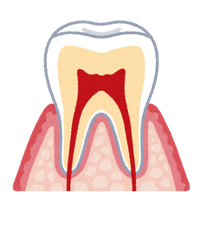
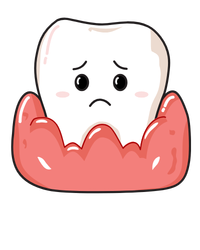
Gingivitis: The Early Stage
Red, swollen, or tender gums, and bleeding when you brush or floss. No bone damage yet. This stage is fully reversible with a professional cleaning and better daily care at home.
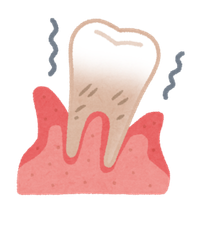
Mild to Moderate Periodontitis
The infection has started to affect the bone, and small pockets form between the gum and tooth where bacteria collect and hide. This calls for deeper cleaning below the gum line, not just a routine polish.

Advanced Periodontitis
Significant bone and tissue loss, gums pulling well away from the teeth, and teeth that may feel loose. This stage needs surgical treatment to stop the damage and, where possible, rebuild what's been lost.
Do You Have Gum Disease? Check the Signs
- Gums that bleed when you brush or floss
- Red, swollen, or tender gums
- Persistent bad breath that doesn't go away with brushing
- Gums that look like they're pulling away from your teeth
- Teeth that feel loose or seem to be shifting
Gum Disease Treatment Options
Professional Deep Cleaning
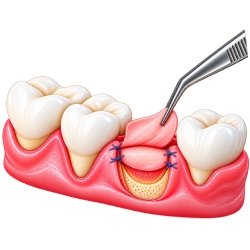
Soft Tissue Grafts
Laser Gum Surgery
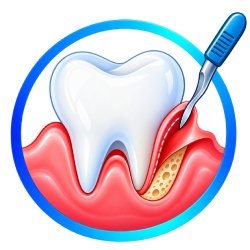
Flap Surgery
Bone Grafts
Bone Surgery

- Dr. Rajat Mathur
Advanced Dental Care & Smile Transformation in East Delhi
Dr. Rajat Mathur combines clinical expertise, modern dental technology, and a patient-first approach to provide comprehensive dental care designed around your comfort, oral health, and long-term smile.
- Experienced Dental Surgeon & Smile Expert
- Advanced & Minimally Invasive Dental Care
- Personalized Treatment for Every Smile
Trusted by Patients, Proven by Smiles
Frequently Asked Questions
Is gum disease reversible?
Does gum treatment hurt?
How many sessions does deep cleaning take?
Most patients need one to two sessions, often split by the left and right side of the mouth, so each side gets proper attention without a long single appointment.
Can gum disease come back after treatment?
Yes, if plaque is allowed to build up again. That’s why a maintenance plan, regular cleanings plus consistent brushing and flossing at home, matters as much as the initial treatment.
What happens if I ignore bleeding gums?
Bleeding is usually the first sign of gingivitis. Left alone, it can progress to periodontitis, where the infection reaches the bone holding your teeth in place, and teeth can eventually loosen or need to be removed.
Do receding gums grow back on their own?
No. Gum tissue that has receded doesn’t grow back by itself. A soft tissue graft is the treatment used to cover an exposed root and stop further recession at that spot.
Is bone or soft tissue grafting painful?
Both are done under local anaesthesia, so the procedure itself shouldn’t hurt. Some soreness and swelling for a few days afterward is normal, and Dr. Mathur will give you clear aftercare instructions to keep recovery smooth.
How often should I get a gum check-up?
Every six months for most people, though if you’ve been treated for periodontitis before, more frequent visits help catch any early signs before they turn into a bigger problem.