A dental laser can do many of the same jobs a drill or scalpel does, often with less discomfort, less bleeding, and a faster recovery. It's not a different treatment, it's a more precise way of carrying one out.

Laser dentistry uses a focused beam of light, instead of a traditional drill or scalpel, to treat a range of dental conditions, from removing decay before a filling to reshaping gum tissue. It’s valued for being minimally invasive, reducing bleeding and discomfort, and often needing less anaesthesia than conventional methods.
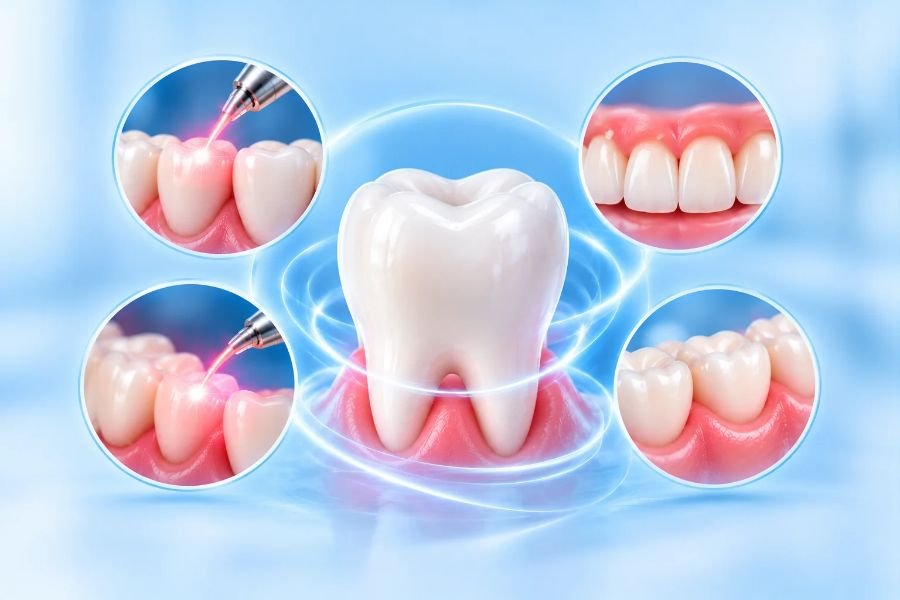
A lot of dental anxiety comes from a handful of specific sounds and sensations, the drill, the injection, the pressure of a scalpel. A laser doesn’t eliminate every one of those entirely, but for the procedures where it’s used, it genuinely changes the experience: less vibration, less bleeding, and often enough precision that less anaesthesia is needed in the first place.
It’s also simply a more precise tool in places where precision matters most, around soft gum tissue especially, where a laser can treat exactly the area intended without disturbing the tissue around it, and heal faster afterward as a result.

A laser can remove decayed tooth tissue with precision, often with less vibration and discomfort than a traditional drill, and sometimes without needing anaesthesia for shallower cavities.
Laser gum surgery treats infected gum tissue and deeper pockets with less bleeding and a notably faster recovery than traditional gum surgery. See our Gum Diseases page for more.
Reshapes a gum line precisely, with clean, fast-healing results, often used as part of a cosmetic smile makeover.
A laser can also be used to treat certain soft tissue concerns with minimal discomfort and quick healing.
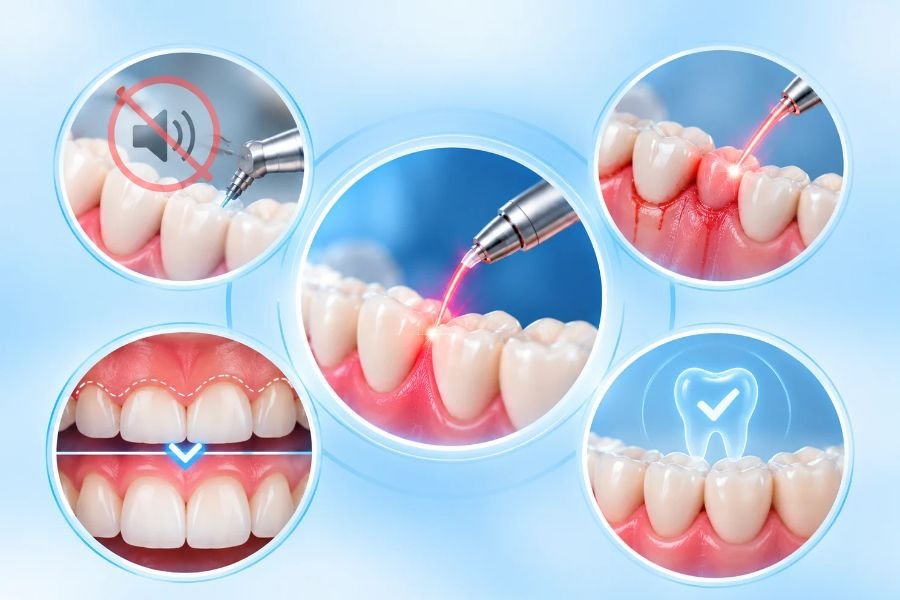
Ask at your consultation, Dr. Mathur will let you know plainly whether laser treatment fits your case.

Dr. Mathur examines the area being treated to confirm laser treatment is suitable for your specific case.

Depending on the procedure, anaesthesia may be reduced or unnecessary altogether, something you'll be told clearly beforehand.

The precise beam treats only the intended area, with less bleeding and disruption to surrounding tissue than traditional tools.

Healing is often quicker than with conventional methods, with less post-treatment discomfort to manage.
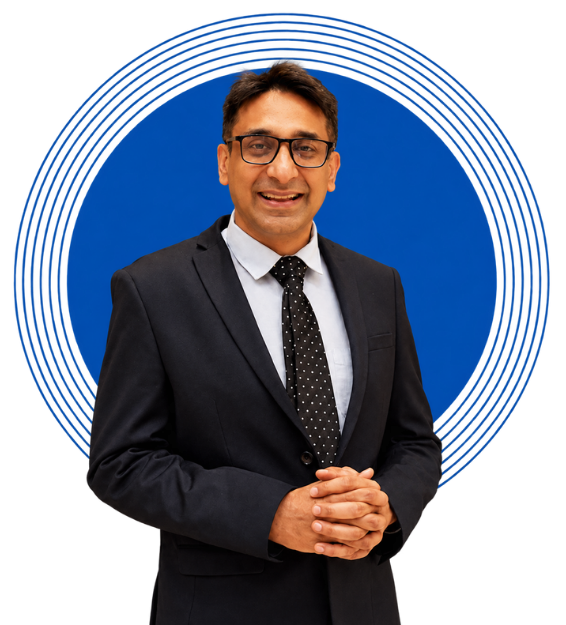
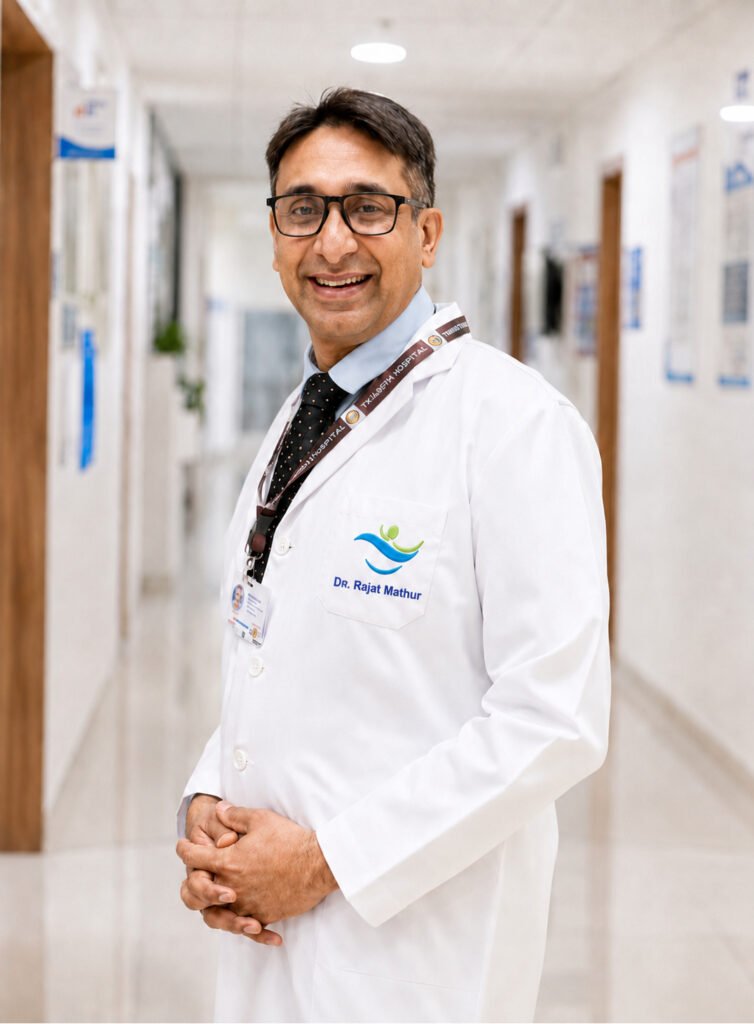
Dr. Rajat Mathur combines clinical expertise, modern dental technology, and a patient-first approach to provide comprehensive dental care designed around your comfort, oral health, and long-term smile.
Yes. Dental lasers are a well-established, widely used technology, and the procedures they're used for have strong safety records when carried out by a trained dentist.
For many procedures, yes. Patients commonly report less discomfort and vibration compared to a traditional drill, and some procedures can be done with reduced or no anaesthesia.
No. A laser is well-suited to specific procedures, particularly involving soft tissue or shallower decay, but traditional tools are still the right choice for many other situations. Dr. Mathur will advise on what's appropriate for your case.
It can be, given the specialised equipment, though the difference depends on the specific procedure. Dr. Mathur will be upfront about cost if laser treatment is recommended.
It varies by procedure, but laser treatment for gum tissue in particular tends to heal noticeably faster, with less swelling and discomfort, than traditional surgical methods.
Yes, laser treatment is often well suited to children, since it can be gentler and less intimidating than a traditional drill. See our Kids Dentistry page for more on how we care for younger patients.
Sometimes less than with traditional tools, and occasionally none at all for shallow procedures, though this depends entirely on what's being treated. Dr. Mathur will let you know what to expect beforehand.
Deeper or more structurally involved work, like preparing a tooth for a crown, generally still relies on traditional tools. Laser dentistry complements conventional treatment rather than replacing it entirely.